Harare’s Beating Heart: Where Commerce Meets Culture
Walking through Harare feels like flipping through the pages of a living city journal—each district tells a story. I never expected Zimbabwe’s capital to pulse with such vibrant energy, especially in its commercial hubs. These aren’t just places to shop or work—they’re where locals connect, entrepreneurs thrive, and modern Africa reveals itself. From bustling streets to quiet corners of innovation, Harare’s commercial areas offer a deeper look into the soul of the city. The rhythm of daily trade, the hum of conversation in market lanes, and the quiet confidence of new business ventures all speak to a resilient urban spirit. This is a city rebuilding with purpose, where tradition and progress walk hand in hand, and where commerce is not just an economic act, but a cultural expression.
The Urban Core: Harare’s Central Business District (CBD)
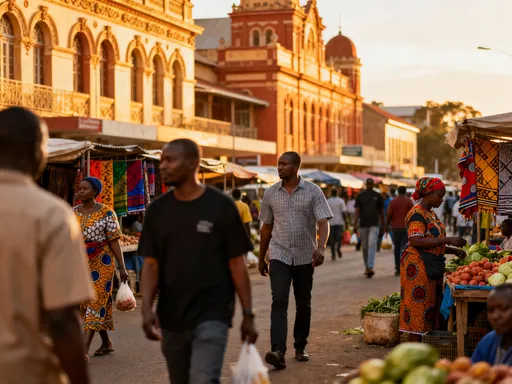
The Central Business District of Harare stands as the city’s administrative and financial nucleus, a place where the pulse of Zimbabwe’s economy beats strongest. Towering above tree-lined avenues, colonial-era buildings with wide verandas and arched windows stand in quiet dialogue with glass-fronted office blocks and modern financial institutions. This architectural blend reflects Harare’s layered history—once a colonial outpost, now a proudly African capital navigating the complexities of post-independence growth. The CBD is more than a cluster of banks and government offices; it is a living ecosystem where civil servants, small traders, delivery riders, and corporate professionals converge each morning, setting the rhythm for the city’s day.
One of the most striking features of the CBD is its seamless integration of formal and informal economies. On First Street and Kwame Nkrumah Avenue, suited bankers pass fruit vendors balancing baskets on their heads, while mobile phone credit sellers call out from shaded corners. This coexistence is not accidental—it is a testament to Harare’s adaptability. Street trading, though often operating in regulatory gray zones, plays a vital role in urban livelihoods. According to local economic studies, informal vendors contribute significantly to household incomes and urban food access, especially for low- and middle-income families. The city’s tolerance for such activity, within certain boundaries, reflects a pragmatic understanding of economic survival in a context of fluctuating formal employment.
Despite economic challenges over the past decades, the CBD remains a center of innovation and resilience. New fintech kiosks, digital payment terminals, and small currency exchange booths have sprung up, adapting to the realities of a cash-light economy. Business owners have learned to navigate currency fluctuations and supply chain disruptions with ingenuity, often relying on regional trade networks to source goods. The area also hosts cultural landmarks such as the National Gallery of Zimbabwe and the Book Café, spaces that anchor the CBD not only as a commercial hub but as a center for creative expression. These institutions provide meeting grounds where artists, entrepreneurs, and civic leaders exchange ideas, reinforcing the district’s role as a crucible of urban identity.
Yet, the CBD faces ongoing challenges. Infrastructure maintenance, pedestrian safety, and traffic congestion remain concerns. Some older buildings show signs of neglect, and power outages can disrupt daily operations. However, recent municipal efforts to revitalize the area—such as improved street lighting, pedestrian walkway repairs, and waste management upgrades—signal a commitment to renewal. The city’s vision for the CBD includes enhanced public spaces, greener streetscapes, and better integration of digital services. As Harare evolves, its core continues to serve as both a mirror and a map—reflecting the past while charting a course for the future.
Eastgate to Westgate: The Rise of Shopping Malls
In the past two decades, Harare has witnessed a quiet revolution in retail culture—the rise of the shopping mall. Places like Eastgate Shopping Centre and Westgate Mall have transformed from simple retail spaces into multifunctional urban destinations. These malls are more than places to buy clothes or electronics; they are climate-controlled sanctuaries, social meeting points, and symbols of economic continuity in a city that has faced significant financial turbulence. On any given weekend, families gather here not only to shop but to dine, celebrate birthdays, and simply spend time together in safe, well-lit environments.
Eastgate, located in the eastern suburbs, was one of the first large-scale malls to open and remains a benchmark for retail development in the city. Anchored by major supermarket chains, international fashion brands, and electronics retailers, it draws customers from across Harare. Its wide corridors, air conditioning, and security presence offer a stark contrast to the open-air markets and crowded sidewalks of the CBD. For many residents, especially middle- and upper-income families, the mall represents stability and modernity. It is a space where global consumer culture meets local tastes, evident in the mix of imported goods and Zimbabwean-made crafts available in specialty boutiques.
Westgate Mall, situated in the western part of the city, serves a similarly vital role but with a distinct community character. Its design encourages lingering, with open seating areas, food courts offering both continental and traditional dishes, and regular cultural events such as live music performances and art exhibitions. These features make Westgate more than a shopping destination—it functions as a community center, particularly for nearby residential neighborhoods. The mall has also become a hub for small business incubation, hosting pop-up stalls where local designers, bakers, and artisans can test their products in a high-traffic environment.
The success of these malls speaks to deeper shifts in urban life. As Harare’s population grows and becomes increasingly middle-class, there is a rising demand for reliable, secure, and comfortable commercial spaces. Malls meet this need while also providing employment—thousands of Zimbabweans work in retail, security, cleaning, and management roles within these complexes. They also serve as informal learning environments, where young employees gain customer service experience, digital literacy, and financial management skills. In this way, malls contribute not only to consumption but to human capital development.
However, the mall phenomenon is not without its critics. Some argue that these spaces cater primarily to a privileged segment of society, reinforcing economic divides. Others note that the dominance of branded retail may threaten smaller, independent shops unable to afford high rental fees. Still, the broader trend suggests adaptation rather than exclusion. Many malls now include sections dedicated to local entrepreneurs, and some have partnered with cooperatives to promote Zimbabwean products. As Harare continues to grow, the role of malls will likely evolve—from symbols of affluence to inclusive platforms for economic participation.
Kwekwe Road and Borrowdale: Upscale Commerce and Lifestyle
Nestled in the northern suburbs, the areas along Kwekwe Road and Borrowdale represent a different facet of Harare’s commercial landscape—one defined by boutique elegance, cosmopolitan tastes, and a growing expatriate presence. These neighborhoods are home to specialty grocery stores, artisan cafés, boutique fashion outlets, and professional service offices ranging from law firms to architectural studios. The pace here is calmer, the streets quieter, but the economic activity is no less intense. This is a zone where lifestyle and commerce intertwine, catering to a demographic that values quality, convenience, and aesthetic refinement.
Walking down Kwekwe Road, one encounters cafés with outdoor seating shaded by flame trees, their menus featuring locally roasted coffee and organic pastries. Stores display handmade jewelry, imported homeware, and curated books, appealing to a discerning clientele. These businesses often operate on a smaller scale than mall retailers, but they reflect a shift toward experiential consumption—people are not just buying products, they are buying atmosphere, authenticity, and connection. Many of these establishments are owner-operated, allowing for personalized service and a strong sense of community identity. Regular customers are known by name, and events like wine tastings or poetry readings foster loyalty beyond mere transactions.
Borrowdale, in particular, has become a magnet for professionals and diplomats, drawn by its green spaces, security, and proximity to international schools. The commercial strips here serve both residents and visitors, offering everything from private medical clinics to high-end fitness centers. Real estate agencies and interior design studios thrive, reflecting a market focused on home improvement and lifestyle enhancement. The presence of embassies and NGOs has also contributed to demand for specialized services, including translation, event planning, and security consulting. This concentration of skilled professionals has created a niche economy built on trust, reputation, and personalized service.
What sets these areas apart is their emphasis on sustainability and local sourcing. Many restaurants and shops prioritize Zimbabwean ingredients and materials, supporting farmers and artisans from surrounding regions. A growing number of businesses have adopted eco-friendly practices—using solar power, reducing plastic packaging, and promoting recycling. This environmental consciousness resonates with a global trend, but it also speaks to a local desire for responsible development. In a city where resources can be scarce, efficiency and sustainability are not just ideals but necessities.
Yet, these affluent zones are not isolated from the broader urban context. They are connected by road and economy to the rest of Harare, and many of the services provided here benefit a wider population. Lawyers based in Borrowdale may represent clients from all over the country; doctors treat patients from diverse backgrounds; and architects design buildings across the city. In this way, the upscale commercial areas contribute to Harare’s overall professional ecosystem, acting as centers of expertise and innovation that ripple outward.
Mbare Musika: The Pulse of Informal Trade
No exploration of Harare’s commercial life would be complete without a visit to Mbare Musika, one of the largest and most dynamic informal markets in southern Africa. Located in the historic Mbare suburb, this sprawling marketplace operates day and night, pulsing with energy, color, and the constant hum of negotiation. More than just a place to buy vegetables or second-hand clothes, Mbare Musika is a vital artery of urban survival, a hub of social exchange, and a testament to grassroots entrepreneurship. Here, commerce happens at human scale—face-to-face, cash in hand, relationship-driven.
The market’s origins trace back to the early 20th century, when it served as a railway-linked produce hub. Today, it remains a critical node in Zimbabwe’s food distribution network. Farmers from as far as Masvingo and Mutare bring their harvests here, selling maize, tomatoes, leafy greens, and fruits directly to urban consumers and small-scale traders who redistribute goods to other neighborhoods. This direct supply chain keeps prices relatively low and ensures freshness, making Mbare Musika a lifeline for households managing tight budgets. Studies estimate that informal markets like this one supply over 60% of fresh produce consumed in Harare, underscoring their indispensable role in food security.
Beyond agriculture, Mbare Musika is a center for second-hand goods, clothing, electronics, and traditional medicines. The “bota” (used clothing) section is particularly famous, drawing bargain hunters from across the city. Vendors display neatly folded piles of shirts, dresses, and shoes, often imported in bulk from overseas. While some criticize the reliance on used imports, for many Zimbabweans, these clothes are affordable, durable, and stylish—making fashion accessible to a broader population. Similarly, the electronics stalls offer repaired phones, chargers, and audio equipment, often at prices far below retail, serving communities that cannot afford new devices.
The human dimension of Mbare Musika is perhaps its most powerful feature. Traders here are not anonymous; they build long-term relationships with customers, often extending credit or saving items for regular buyers. Women make up a significant portion of the workforce, many of them heads of households supporting children and extended family members. The market functions as both an economic engine and a social safety net, providing livelihoods where formal employment is scarce. However, challenges persist. Infrastructure is inadequate—vendors work under makeshift shelters, exposed to sun and rain, and access to clean water and sanitation remains limited. Periodic crackdowns by city authorities, often citing zoning or hygiene concerns, create uncertainty for traders who invest their savings into daily operations.
Despite these obstacles, Mbare Musika endures. It adapts—vendors organize into associations, advocate for better conditions, and adopt mobile money to reduce cash handling risks. There are growing calls for formal recognition and investment in the market’s infrastructure, not to sanitize it, but to empower it. Upgrading pathways, adding storage facilities, and improving waste management could enhance efficiency without erasing its vibrant, organic character. In doing so, the city would not only support thousands of micro-entrepreneurs but also strengthen a vital component of Harare’s economic resilience.
New Money, New Spaces: Emerging Business Parks and Tech Hubs
Amid Harare’s evolving commercial landscape, a new generation of business spaces is emerging—technology hubs, co-working offices, and specialized business parks designed to nurture innovation and entrepreneurship. These spaces reflect a shift in economic momentum, where digital services, creative industries, and small-to-medium enterprises (SMEs) are becoming key drivers of growth. While still modest in scale compared to global tech centers, Harare’s innovation ecosystem is gaining traction, fueled by a young, educated population and increasing access to mobile internet and digital tools.
One notable example is the rise of co-working spaces in the city’s northern and central districts. Places like Hub & Co and Impact Hub Harare offer more than just desks and Wi-Fi—they provide mentorship programs, networking events, and access to funding opportunities. These hubs attract freelancers, startup founders, and remote workers seeking collaboration and community. Many of the ventures based here focus on solving local challenges: mobile apps for agricultural extension services, digital platforms for school fee payments, and online marketplaces connecting artisans with buyers. These innovations may seem small in isolation, but collectively, they represent a quiet transformation in how commerce is conducted.
Business parks such as Borrowdale Brooke and West Park are also playing a role in shaping Harare’s economic future. Designed with modern infrastructure, reliable power, and high-speed internet, these developments cater to companies in finance, logistics, and information technology. They offer a professional environment that attracts both local firms and regional investors. Unlike traditional office buildings, many of these parks emphasize sustainability—incorporating green spaces, solar energy, and water recycling systems. This forward-thinking design appeals to a new breed of entrepreneur who values efficiency, environmental responsibility, and long-term viability.
The growth of these spaces is supported by government and private sector initiatives aimed at boosting SMEs and digital inclusion. Training programs in coding, digital marketing, and financial literacy are increasingly available, often in partnership with international development agencies. Mobile money platforms like EcoCash have further enabled digital entrepreneurship, allowing small businesses to accept payments, manage cash flow, and access microloans. These tools have lowered barriers to entry, enabling more women, youth, and rural entrepreneurs to participate in the formal economy.
While challenges remain—particularly in access to capital, consistent internet, and regulatory clarity—the momentum is undeniable. Harare’s tech and innovation scene is still in its early stages, but it holds promise. With continued investment in education, infrastructure, and policy support, these emerging hubs could become catalysts for broader economic transformation, creating jobs, improving services, and positioning Harare as a regional leader in African innovation.
Transport and Accessibility: How People Move Through Commercial Zones
The flow of commerce in Harare depends not just on where businesses are located, but on how easily people can reach them. Transportation is the invisible thread that connects homes to workplaces, markets to customers, and ideas to opportunities. In a city with limited public transit infrastructure, mobility remains a critical factor in economic inclusion. The primary modes of transport—minibuses (locally known as kombis), ride-sharing services, walking, and private vehicles—each play a role in shaping access to commercial areas.
Kombis are the backbone of Harare’s transport system, operating on fixed routes but with flexible schedules. These brightly painted minibuses ferry thousands of commuters daily, linking suburbs to the CBD, malls, and marketplaces. For many low- and middle-income residents, kombis are the only affordable option for reaching workplaces or shopping destinations. Despite their importance, the sector faces challenges: aging vehicles, traffic congestion, and inconsistent regulation. However, recent efforts to formalize routes, improve vehicle standards, and introduce digital payment systems are beginning to enhance reliability and safety.
Ride-sharing services such as Uber and Bolt have also gained popularity, particularly among professionals, expatriates, and visitors. These platforms offer convenience, transparency, and a sense of security, especially for evening travel. Their growth has created income opportunities for drivers, many of whom use the work to supplement other earnings. While still limited in coverage compared to global cities, their presence is expanding, particularly in well-connected areas like Borrowdale and the CBD.
Walking remains a common mode of transport, especially in dense commercial zones. In the CBD, many workers and shoppers navigate short distances on foot, moving between offices, banks, and street vendors. However, pedestrian infrastructure is uneven—some sidewalks are cracked or obstructed, and crosswalks are often poorly marked. This poses safety risks, particularly during peak hours. Urban planners and civic groups have called for improved walkability, including better lighting, shaded pathways, and dedicated pedestrian zones, to make commercial areas more accessible and inclusive.
Private vehicle use is growing among the middle and upper classes, driven by rising car ownership and concerns about public transport reliability. This trend has implications for traffic management and environmental sustainability. Congestion in areas like Samora Machel Avenue and Nelson Mandela Avenue can delay deliveries and reduce productivity. In response, the city has explored solutions such as traffic signal optimization and the promotion of carpooling. Long-term plans for bus rapid transit (BRT) systems, though still in development, offer hope for a more efficient, equitable transportation network.
The Future of Harare’s Commercial Identity
As Harare moves forward, its commercial identity is being reshaped by a confluence of forces—youth-driven innovation, urban planning initiatives, and a deep-rooted culture of resilience. The city is not merely recovering from past economic difficulties; it is reimagining itself as a dynamic, adaptive urban center where commerce and community grow in tandem. This transformation is evident in the way new business models coexist with traditional trade, how digital tools enhance informal markets, and how public and private sectors collaborate on infrastructure and policy.
One of the most promising trends is the increasing role of young entrepreneurs in shaping the city’s economy. Armed with education, digital skills, and a strong sense of purpose, they are launching ventures that blend profitability with social impact. Whether through tech startups, sustainable fashion brands, or community-based cooperatives, these innovators are redefining what commerce means in Harare. Their success depends on continued support—access to mentorship, financing, and inclusive policies that recognize the value of informal and formal sectors alike.
Urban development projects, though gradual, are laying the groundwork for a more integrated city. Efforts to improve road networks, expand digital connectivity, and upgrade market infrastructure are slowly enhancing the business environment. There is also a growing awareness of sustainability—green building practices, waste reduction, and renewable energy are becoming part of the commercial conversation. These efforts, while still emerging, reflect a long-term vision for a city that thrives not at the expense of its people or environment, but in harmony with them.
Ultimately, Harare’s commercial heart beats strongest when it remains inclusive. The city’s strength lies in its diversity—of people, enterprises, and ways of doing business. From the grandeur of the CBD to the energy of Mbare Musika, from sleek co-working spaces to neighborhood street stalls, each space contributes to a vibrant, interconnected economy. The challenge—and opportunity—lies in ensuring that growth benefits all, not just a few. By investing in infrastructure, supporting entrepreneurship, and valuing both tradition and innovation, Harare can continue to write its story as a city where commerce meets culture, and where every resident has a place in the economy.