You Won’t Believe What Hides in the Heart of Cordoba
Walking through Cordoba’s narrow white-washed streets, I felt like I’d stepped into a living museum where cultures collide in the most beautiful way. The air smells of orange blossoms and history, and every corner tells a story. From the jaw-dropping Mezquita to hidden patios filled with flowers, Cordoba isn’t just a city—it’s an emotional journey through time. This is more than sightseeing; it’s feeling the pulse of centuries in one unforgettable place. Few cities in the world offer such a seamless blend of architectural grandeur, cultural harmony, and intimate human warmth. In Cordoba, the past is not preserved behind glass—it lives in the stones, the scents, and the quiet moments between strangers who smile as you pass beneath bougainvillea-draped arches.
The Soul of Andalusia: Why Cordoba Stands Apart
Cordoba is not simply a stop on a southern Spain itinerary—it is a destination that redefines what travel can mean. Unlike larger, more commercialized cities, Cordoba offers depth through intimacy. Its historic center is compact, allowing visitors to absorb centuries of history within a walkable radius. This proximity intensifies the experience: within a few steps, one moves from Roman foundations to Islamic masterpieces and Christian reconstructions, each layer adding to a narrative of coexistence and transformation. The city once served as the capital of Islamic Iberia in the 10th century, reaching a golden age when it was among the most advanced cities in Europe—home to libraries, scholars, and architectural wonders unmatched in the West.
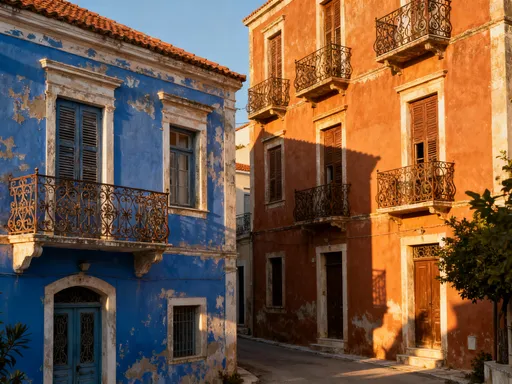
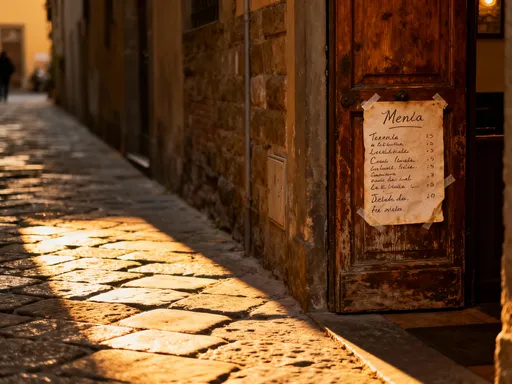
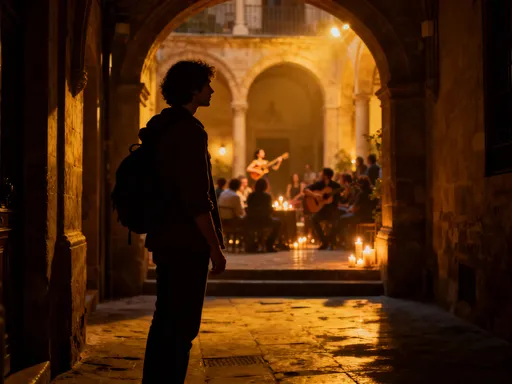
What sets Cordoba apart is not just its past, but how that past is felt in the present. The whitewashed walls of its buildings reflect the Andalusian sun, while iron grilles reveal glimpses of inner gardens bursting with color. Cobblestone streets curve unpredictably, inviting slow exploration rather than rushed checklists. The city resists the modern urge for speed. Instead, it asks travelers to pause—to notice the way light filters through orange trees in a quiet square, or how the sound of distant flamenco echoes from an open window. These moments are not staged; they are part of daily life, making Cordoba feel authentic and alive.
For travelers seeking meaning over spectacle, Cordoba delivers. It does not rely on flashy attractions or mass tourism infrastructure. Its power lies in subtlety: the texture of ancient stone, the scent of jasmine in the evening air, the warmth of a shopkeeper offering a sample of local olive oil. This is a city that rewards attention. Every detail tells a story, from the horseshoe arches embedded in modern doorways to the remnants of Roman roads beneath glass panels in quiet plazas. To walk through Cordoba is to walk through time, not as a distant observer, but as a participant in a living cultural dialogue.
Mezquita-Catedral: Where Architecture Defies Belief
No description can fully prepare a visitor for the first glimpse inside the Mezquita-Catedral. As you step through its heavy wooden doors, the world outside fades. Before you stretches a forest of 856 columns connected by two tiers of red-and-white striped arches, rising like a geometric dream. The effect is mesmerizing—a space that feels both infinite and intimate, spiritual and architectural. Originally constructed in the 8th century as a mosque, the Mezquita expanded over centuries, becoming one of the largest Islamic places of worship in the world. After the Christian reconquest in 1236, a Renaissance cathedral was built at its center, creating a rare and powerful fusion of faiths within a single structure.
This coexistence is not merely symbolic; it is physically embodied in the building’s design. The original mosque’s mihrab, a jewel-box chamber adorned with gold mosaics and intricate calligraphy, remains one of the most breathtaking examples of Islamic art in existence. Nearby, the cathedral’s high altar rises with Baroque grandeur, yet it does not overpower. Instead, the two coexist in a complex, layered harmony that speaks to Spain’s multifaceted identity. The Mezquita is not a relic of conflict, but a testament to continuity—proof that beauty and devotion can transcend time and ideology.
For visitors, timing is key to fully appreciating this masterpiece. Early morning visits, shortly after opening, offer the best chance to experience the space in relative quiet. Sunlight filters through high windows, casting soft patterns across the stone and illuminating the arches in warm hues. Late afternoon light creates dramatic contrasts, ideal for photography. To deepen understanding, a guided tour is highly recommended. Knowledgeable local guides can explain the architectural evolution, highlight hidden details, and contextualize the religious and cultural shifts that shaped the building. Audio guides are available, but the personal touch of a live guide often brings the history to life in a more meaningful way.
To avoid crowds, especially during peak tourist season, consider visiting on weekdays or during the shoulder months of April or October. While the Mezquita draws thousands each year, it is possible to find moments of solitude within its vast interior. Stand beneath the arches, listen to the quiet footsteps and murmured conversations, and feel the weight of centuries. This is not just a monument to admire—it is a space to inhabit, to reflect, and to remember that human creativity and faith can leave enduring marks on the world.
The Magic of the Historic Jewish Quarter (Judería)
Surrounding the Mezquita lies the Judería, Cordoba’s historic Jewish Quarter, a labyrinth of narrow streets, hidden plazas, and centuries-old homes. Though small in size, this neighborhood holds immense cultural significance. Jews lived in Cordoba for generations, contributing to its intellectual and commercial life, particularly during the Islamic era when religious tolerance allowed diverse communities to thrive. The 14th-century Synagogue, one of only three remaining medieval synagogues in Spain, stands as a quiet monument to that legacy. Its delicate stucco work, Hebrew inscriptions, and intimate sanctuary offer a glimpse into a once-vibrant community that was later dispersed during the Inquisition.
Today, the Judería is a place of beauty and contemplation. Wandering its streets feels like stepping into a painting—whitewashed walls draped with cascading bougainvillea, flower pots on wrought-iron balconies, and the occasional fountain bubbling in a secluded courtyard. The sound of water is a constant companion, a nod to Islamic garden design that emphasized tranquility and reflection. Small artisan shops line the alleys, selling handmade fans, leather goods, and ceramics. These are not mass-produced souvenirs, but crafted items that reflect local traditions passed down through generations.
One of the joys of the Judería is that it cannot be rushed. The neighborhood rewards those who walk slowly, who pause to examine a weathered door, listen to the echo of footsteps on stone, or follow the scent of jasmine around a corner. Hidden plazas, such as Plaza de la Judería or Plaza de Maimónides, offer benches where visitors can sit and absorb the atmosphere. These quiet moments are often the most memorable—when the city seems to breathe, and time slows. The Judería is not just a place to see, but to feel—a living mosaic of memory, resilience, and beauty.
For families and older travelers, the compact nature of the quarter makes it easily navigable, though some streets are uneven. Comfortable walking shoes are essential. There are no major tourist crowds in the early mornings, making it an ideal time to explore before the heat of the day or the arrival of guided groups. Whether you come for history, architecture, or simply the pleasure of getting pleasantly lost, the Judería offers a sensory journey that lingers long after you leave.
Hidden Patios: A Secret Floral World
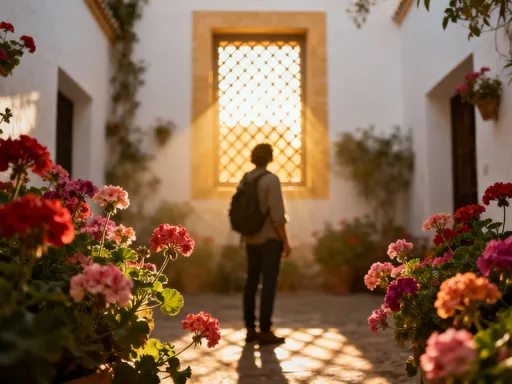
Among Cordoba’s most cherished traditions is the culture of the patios—interior courtyards transformed into lush, floral sanctuaries. These private spaces, typically hidden behind unassuming doors, are the heart of many historic homes. For most of the year, they remain personal retreats, but each May, during the Fiesta de los Patios, dozens of residents open their doors to the public. This event, recognized by UNESCO as Intangible Cultural Heritage, turns the city into a blooming wonderland. Visitors wander from house to house, marveling at intricate tile work, cascading geraniums, climbing jasmine, and carefully arranged potted plants that create vertical gardens of color and scent.
The patio tradition dates back centuries, influenced by Roman, Islamic, and Andalusian design principles. In a climate defined by hot summers, the interior courtyard served as a cool, private oasis—a place for family life, conversation, and connection with nature. Water features, such as fountains or shallow pools, enhance the sense of serenity, while shaded arcades provide relief from the sun. The aesthetic is not one of formal perfection, but of cultivated abundance. Every plant has meaning; every arrangement tells a story of care, identity, and pride.
Even outside the festival, the spirit of the patios lives on. Some museums and public buildings, such as the Palacio de Viana, maintain multiple courtyards open year-round, offering a permanent glimpse into this tradition. The Palacio, once a noble residence, features twelve patios, each with a different theme—some formal, others wild and romantic. Walking through them is like moving through a series of living paintings, where light, shadow, and fragrance shift with each step.
The patio culture reflects a deeper value in Cordoban life: the importance of private beauty shared publicly at the right moment. It is a reminder that not everything must be on display all the time—that dignity, tradition, and artistry can flourish behind closed doors, revealed with generosity and timing. For travelers, participating in the patio festival or visiting a public example is not just sightseeing; it is an invitation into the soul of the city, where hospitality and horticulture intertwine.
Alcázar Gardens and Riverside Serenity
Just a short walk from the Mezquita, the Alcázar de los Reyes Cristianos offers a peaceful contrast to the city’s bustling streets. Originally a Roman fort, later rebuilt as a Moorish palace and then a Christian stronghold, the Alcázar today is best known for its stunning gardens. Laid out in the 14th century, these gardens follow the Islamic concept of paradise as a walled garden with water, shade, and fragrance. Cypress trees rise like sentinels, their dark forms framing views of fountains, reflecting pools, and flowerbeds bursting with seasonal color. Orange trees line the paths, their fruit hanging heavy in the autumn months.
The gardens are designed for contemplation. Benches are placed beneath shaded arcades, inviting visitors to sit and absorb the calm. The sound of water is everywhere—trickling from fountains, dripping from spouts, or still in quiet pools. This emphasis on water is not merely decorative; it is symbolic, representing life, purity, and divine presence in both Islamic and Christian traditions. The Alcázar’s pools are perfectly positioned to reflect the sky and surrounding greenery, creating a sense of infinite space within a confined area.
Adjacent to the Alcázar, the banks of the Guadalquivir River offer another kind of serenity. A tree-lined promenade stretches along the water, perfect for a morning walk or an evening stroll. Poplar and willow trees provide shade, while occasional viewpoints offer panoramic scenes of the city, including the Roman Bridge and the tower of the Calahorra. At sunset, the light turns golden, painting the whitewashed buildings in warm tones and casting long shadows across the river. This is a favorite moment for locals and visitors alike—a time to slow down, breathe, and appreciate the beauty of the cityscape.
For families, the riverside is stroller-friendly and safe, with open spaces where children can run and play. Benches and small cafes make it easy to take breaks. Early mornings are particularly peaceful, with joggers, dog walkers, and photographers enjoying the soft light. Whether you visit the Alcázar gardens or the riverbank, these green spaces provide essential balance to the historical density of Cordoba’s center. They remind us that beauty is not only in monuments, but in the quiet moments of nature and reflection.
Local Life Beyond Monuments: Markets and Craftsmanship
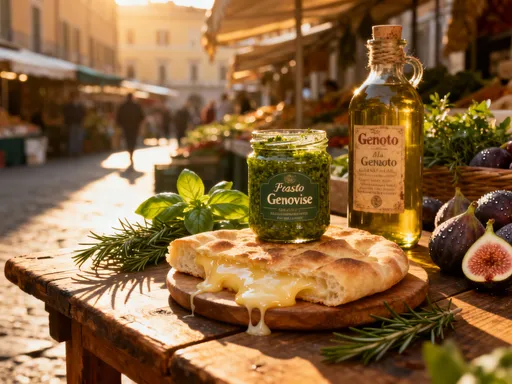
To truly understand Cordoba, one must step beyond the major landmarks and engage with daily life. The Mercado Victoria, a beautifully restored market hall in the heart of the city, offers an authentic taste of Andalusian flavors. Inside, stalls overflow with regional specialties: plump olives from nearby farms, rich cured hams, fresh cheeses, local honey, and seasonal fruits. The air is filled with the scent of spices, baked bread, and grilled fish. This is not a tourist market—it is where Cordobans shop, chat with vendors, and plan their meals.
Visitors are welcome to explore, sample, and even order tapas at the small eateries tucked within the market. Try salmorejo, Cordoba’s thick, creamy tomato soup, often topped with egg and ham, or a plate of fried aubergines drizzled with honey. These dishes are simple, flavorful, and deeply rooted in local tradition. Eating here is more than a meal—it is a connection to place and people.
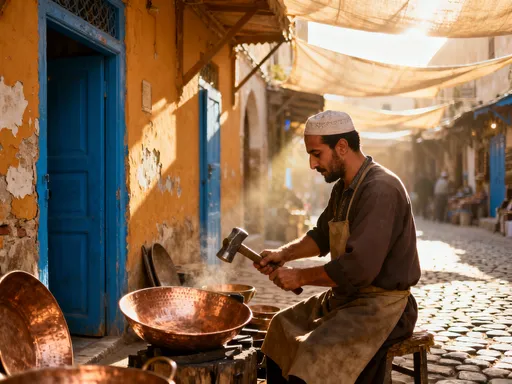
Outside the market, craftsmanship remains a vital part of the city’s identity. Artisans in the Judería continue to produce handmade items using time-honored techniques. Leather workshops offer custom belts, bags, and shoes, while fan makers create delicate, hand-painted pieces that are both functional and artistic. These crafts are not relics of the past, but living traditions supported by local pride and tourist appreciation. Purchasing directly from artisans ensures authenticity and supports sustainable tourism.
Engaging with locals requires respect and openness. A simple “buenos días” or “gracias” goes a long way. Many shopkeepers enjoy sharing stories about their work or offering recommendations. These small interactions transform a visit from passive observation to meaningful exchange. In a world where travel can feel transactional, Cordoba reminds us that the most lasting memories come from human connection.
Planning Your Visit: Timing, Transport, and Mindset
For the best experience, plan your visit to Cordoba during the spring (April to June) or fall (September to October). These seasons offer mild temperatures and fewer crowds, allowing for more comfortable exploration. Spring is especially magical, coinciding with the Patio Festival and the blooming of orange blossoms, which fill the air with a sweet, intoxicating fragrance. Summer can be extremely hot, with temperatures often exceeding 35°C (95°F), making outdoor sightseeing challenging during midday hours. If visiting in summer, focus on early mornings and late afternoons, and take breaks in shaded gardens or indoor museums.
The ideal duration for a visit is two to three days. This allows time to explore the Mezquita, wander the Judería, visit the Alcázar and patios, enjoy local cuisine, and take a riverside walk without feeling rushed. Cordoba is well-connected by high-speed train (AVE) from Madrid (about 2 hours) and Seville (45 minutes), making it an excellent destination for a day trip or weekend getaway. However, staying overnight allows visitors to experience the city in the quiet evening hours, when the streets are bathed in golden light and the atmosphere becomes especially romantic.
When planning your itinerary, prioritize pacing. Cordoba’s charm lies in its details, which are best appreciated slowly. Avoid trying to see everything in one day. Instead, choose a few key experiences and allow time for unplanned discoveries—stumbling upon a hidden courtyard, chatting with a local, or sipping coffee in a quiet plaza. Respectful tourism is essential: dress modestly when visiting religious sites, speak quietly in sacred spaces, and follow local guidelines, especially during festivals or in residential areas.
Ultimately, Cordoba is not a city to be conquered, but to be felt. It invites introspection, curiosity, and emotional connection. It does not shout its wonders—it whispers them. And for those who listen, who walk its streets with open eyes and an open heart, Cordoba offers something rare: a sense of belonging to a story much larger than oneself. This is not just a destination. It is a memory waiting to be made.