You Won’t Believe These Hidden Natural Gems in Cebu
Nestled in the heart of the Philippines, Cebu is more than just a tropical postcard—it’s a living canvas of limestone cliffs, turquoise waters, and jungles humming with life. I went searching for peace and found adventure instead. From secret waterfalls to untouched islands, every turn revealed a new wonder. This is not just travel—it’s transformation. Let me show you the real Cebu, where nature doesn’t shout; it whispers magic. With its rich geological history and diverse ecosystems, the island offers experiences that go beyond the typical beach getaway. Whether you're hiking through misty mountain trails or floating down emerald rivers, Cebu invites you to slow down, breathe deeply, and reconnect with the earth in its purest form.
Why Cebu’s Natural Landscapes Stand Out
Cebu’s geographical identity is shaped by millions of years of tectonic shifts, volcanic activity, and coastal erosion, resulting in a landscape that feels both ancient and vibrantly alive. Unlike other Philippine islands that rely solely on white sand beaches, Cebu presents a layered tapestry of natural wonders—towering karst formations, deep canyons, coral-rich reefs, and cascading waterfalls hidden within dense rainforest interiors. Its position in the Visayan archipelago places it at the crossroads of marine biodiversity, making it part of the famed Coral Triangle, home to over 600 species of reef-building corals and thousands of fish species.
What truly sets Cebu apart is the balance between accessibility and preservation. While urban centers like Cebu City thrive as commercial hubs, the outer municipalities have maintained their ecological integrity through community-led conservation efforts. Local governments, in partnership with environmental organizations, have implemented sustainable tourism models that limit visitor numbers in sensitive areas, ensuring minimal impact on fragile ecosystems. This responsible approach allows travelers to experience nature without compromising its future.
The island’s topography varies dramatically from north to south. In the highlands of Dalaguete and Argao, cool breezes sweep across rolling hills and terraced farms, while the eastern coastlines face the Bohol Sea with rugged cliffs and secluded coves. The western shores, bordering the Tañon Strait, are calmer, with mangrove-lined estuaries and shallow marine sanctuaries. This diversity means that within a single day’s journey, one can traverse from mountain summits to underwater wonderlands, experiencing microclimates and ecosystems that feel worlds apart.
Geologically, Cebu is part of a faulted island arc system formed by the collision of tectonic plates. Over time, uplifted coral reefs transformed into limestone plateaus, carved by water into caves, sinkholes, and underground rivers. These natural formations create ideal conditions for unique habitats—home to endemic bird species, rare orchids, and marine life found nowhere else. Understanding this deep history adds a layer of appreciation for every trail walked and every vista admired.
Choosing the Right Spots: Beyond the Crowds
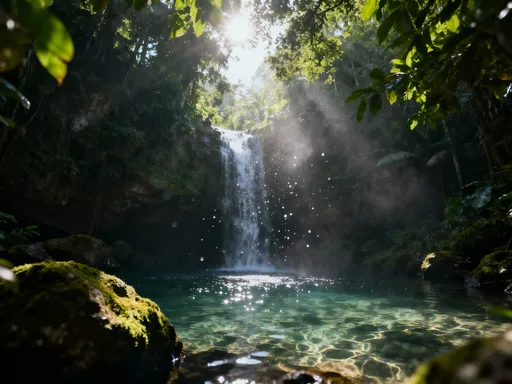
While Kawasan Falls in Badian draws thousands each year with its stunning blue pools and canyoneering adventures, quieter alternatives offer equally breathtaking beauty without the congestion. Tumalog Falls, located nearby in the same municipality, provides a more intimate experience. Here, water cascades like a silken curtain over moss-covered rocks, creating rainbows in the midday sun. The surrounding foliage forms a natural amphitheater, amplifying the sound of falling water into a soothing symphony. Because it receives fewer visitors, families and solo travelers alike can enjoy moments of solitude, dipping into the cool basin or simply sitting on shaded riverbanks to reflect.
Another hidden gem is Mantayupan Falls in Barili, often referred to as the “Little Niagara of Cebu.” Accessible via a short hike through farmland and secondary forest, this multi-tiered waterfall flows with consistent power year-round thanks to its spring-fed source. Unlike commercialized sites, Mantayupan lacks extensive infrastructure—there are no entrance fees, no souvenir stalls, and minimal signage. This absence of development preserves its authenticity, allowing nature to remain undisturbed. Visitors are encouraged to respect the site by carrying out all waste and avoiding loud noises that disrupt the tranquility.
Selecting lesser-known destinations requires thoughtful planning. One effective strategy is consulting local tourism offices in smaller towns, where staff often provide up-to-date information on trail conditions and safety. Additionally, visiting during the shoulder months—late May or early November—can significantly reduce crowd sizes while still offering favorable weather. Travelers who prioritize timing and research are rewarded not only with peace but also with deeper connections to the places they explore.
It’s also worth noting that some hidden spots are known primarily to residents due to cultural or spiritual significance. In such cases, approaching these areas with humility and respect is essential. Asking permission from local elders or barangay officials before entering certain zones demonstrates cultural sensitivity and fosters goodwill. These small gestures contribute to sustainable tourism and ensure continued access for future visitors.
Island Escapes That Feel Like Private Paradises
For those seeking serenity surrounded by sea and sky, Cebu’s satellite islands offer dreamlike retreats far removed from urban rhythms. Malapascua Island, situated off the northern tip of Cebu, is renowned for its powdery white sand beaches and world-class diving opportunities. What makes it truly special is Monad Shoal, a submerged sandbar where divers have the rare chance to encounter thresher sharks in their natural habitat. These graceful creatures rise from the depths at dawn, using the cleaning station to rid themselves of parasites—a phenomenon visible only in a few locations worldwide.
Despite its growing popularity, Malapascua retains a laid-back charm. Most accommodations are small family-run resorts that blend into the coastal environment, powered by solar energy and designed with local materials. The island has no paved roads, so transportation relies on foot, bicycle, or habal-habal (motorcycle taxis). This simplicity enhances the sense of escape, allowing guests to unplug and immerse themselves in the rhythm of island life. Snorkeling right off the beach reveals vibrant coral patches and schools of tropical fish, making marine exploration accessible even to non-divers.
Bantayan Island, further west, offers a nostalgic glimpse into rural Filipino life. With wide-open spaces, coconut groves, and rustic chapels, it feels like stepping back in time. The island’s coastline features long stretches of shallow, crystal-clear waters ideal for wading and paddleboarding. Unlike heavily touristed beaches, Bantayan’s shores remain largely undeveloped, with only a few low-rise inns and open-air restaurants serving fresh seafood caught daily by local fishermen.
Moalboal’s Pescador Island, though closer to the mainland, delivers an extraordinary marine experience. Designated as a marine sanctuary since 1985, it prohibits fishing and anchors to protect its coral reefs. A short boat ride from the town pier brings snorkelers and divers face-to-face with one of the ocean’s most mesmerizing spectacles—the sardine run. Millions of sardines swirl in a pulsating silver vortex just meters below the surface, evading predators in a perfectly synchronized dance. The reef walls are equally impressive, adorned with sea fans, anemones, and occasional sea turtles gliding past.
To make the most of these island escapes, travelers should plan ferry schedules carefully. Regular roll-on-roll-off ferries connect mainland ports like Santa Fe and Hagnaya to Malapascua and Bantayan, with journey times ranging from 30 minutes to two hours depending on sea conditions. Booking accommodations in advance is advisable during peak season (December to April), though off-season visits (June to September) offer lower rates and fewer tourists. Packing essentials include reef-safe sunscreen, waterproof bags, reusable water bottles, and lightweight clothing suitable for humid climates.
Hiking Trails with Jaw-Dropping Rewards
For adventurers drawn to panoramic views and physical challenge, Cebu’s mountain trails deliver unforgettable experiences. Osmeña Peak, the highest point in the province at 1,013 meters above sea level, is a favorite among hikers. Located in Dalaguete, the trail begins with a gentle ascent through grassy slopes and pine-scented air, gradually revealing sweeping vistas of rolling hills known as the “Cebu Grand Canyon.” At the summit, a narrow limestone pinnacle offers a 360-degree panorama stretching across multiple islands on clear days.
The hike takes approximately two to three hours round trip, making it accessible to moderately fit individuals. Early morning departures are strongly recommended—not only to avoid the midday heat but also to witness the sunrise paint the sky in hues of gold and rose. Many local guides lead small groups along the trail, sharing stories about the mountain’s namesake, former Philippine President Sergio Osmeña, and pointing out native flora like wild orchids and pitcher plants. Their presence enhances safety and enriches the experience with cultural context.
Another notable trek is Mount Manunggal in Balamban, historically significant as the site of a 1957 plane crash that claimed the life of President Ramon Magsaysay. Today, the mountain serves as a symbol of resilience and remembrance. The trail passes through dense forest, crossing wooden bridges over mountain streams and opening into clearings with views of the surrounding valleys. A monument at the summit honors the fallen leader, and visitors often leave tokens of respect. While not as high as Osmeña Peak, the climb is steeper in sections, requiring sturdy footwear and caution on slippery roots and rocks.
Safety is paramount when hiking in Cebu’s mountains. Travelers should wear closed-toe shoes with good traction, carry sufficient water, and wear breathable clothing. It’s also wise to check weather forecasts before setting out, as sudden rain can make trails muddy and hazardous. Hiring a local guide not only supports the community but also ensures navigation accuracy, especially on less-marked paths. Most importantly, hikers must practice Leave No Trace principles—carrying out all trash, avoiding loud noises, and refraining from picking plants or disturbing wildlife.
Swimming, Snorkeling, and Floating in Nature’s Playground
Cebu’s rivers, lagoons, and coastal waters serve as natural playgrounds for water lovers of all levels. Canyoneering in Kawasan Falls remains one of the island’s most thrilling activities, combining swimming, cliff jumping, and river trekking into a single exhilarating adventure. Participants navigate through a series of cascades and pools, rappelling down rock faces and leaping from safe platforms under the supervision of certified guides. The entire route follows the natural flow of the river, ending with a refreshing swim in the main falls’ azure pool.
For a gentler experience, the hidden river in Sirena, a barangay in Aloguinsan, offers a serene alternative. Here, visitors can float on inflatable tubes along a calm, shaded waterway flanked by overhanging trees and limestone cliffs. The slow current carries you through quiet stretches where the only sounds are birdsong and dripping water. Occasional small rapids add mild excitement, making it ideal for families with older children. Local operators provide tubes, life vests, and transport back to the starting point, ensuring a seamless and safe journey.
Snorkeling opportunities abound along Cebu’s coastlines, particularly in protected marine areas. Nagmosmol Island near Moalboal features a shallow reef perfect for beginners, where colorful parrotfish, angelfish, and clownfish dart among coral heads. Visibility often exceeds 15 meters, allowing for clear underwater views even without scuba gear. To protect these delicate ecosystems, travelers are encouraged to maintain a safe distance from corals, avoid touching marine life, and use only reef-safe sunscreen that does not contain oxybenzone or octinoxate.
Local dive shops and tour operators offer equipment rentals and guided excursions for all skill levels. Whether you’re trying snorkeling for the first time or pursuing advanced certification, trained professionals ensure safety and environmental responsibility. Many guides also participate in coral monitoring programs, educating visitors about ongoing conservation efforts. By choosing eco-conscious operators, travelers contribute directly to the protection of Cebu’s marine heritage.
When to Go and How to Move Around
Timing plays a crucial role in maximizing enjoyment and comfort during a Cebu adventure. The island experiences two main seasons: the dry season (December to May) and the wet season (June to November). The best months for outdoor exploration are March and April, when rainfall is minimal, skies are clear, and sea conditions are calm. However, these months also coincide with Holy Week, attracting large numbers of domestic tourists. For a quieter experience, consider visiting in late February or early May, when weather remains favorable but crowds are thinner.
During the wet season, while some trails may become slippery and ferry services occasionally delayed, the landscape transforms into a lush, emerald paradise. Waterfalls swell with runoff, rivers run stronger, and vegetation bursts with new growth. With proper preparation—waterproof gear, flexible itineraries, and awareness of weather alerts—traveling in the off-season can yield uniquely vibrant experiences.
Getting around Cebu requires a mix of transportation modes depending on destination and group size. For independent travelers, renting a scooter is a cost-effective and flexible option, especially in rural areas with limited public transit. Major towns like Moalboal, Bantayan, and Malapascua have rental shops offering well-maintained motorcycles with full insurance coverage. Drivers must possess an International Driving Permit and wear helmets at all times.
Larger groups or families often prefer hiring private vans with drivers familiar with mountain roads and remote routes. This option provides comfort, luggage space, and the ability to stop at scenic viewpoints. Public jeepneys remain the backbone of local transport, running fixed routes between municipalities at affordable rates. While slower and less convenient for tight schedules, they offer an authentic glimpse into everyday Filipino life.
Navigating Cebu’s roads is easier with offline maps. Applications like Maps.me and Organic Maps allow users to download regional maps for use without internet connectivity—a vital tool in areas with weak signal. GPS-enabled devices paired with printed backup maps ensure reliability, especially on winding mountain passes or unmarked trails. Travelers should also keep contact numbers for local transport providers and emergency services stored in their phones.
Travel Smart: Respect, Prepare, and Preserve
As Cebu’s natural attractions gain international recognition, the responsibility to protect them grows ever more important. Sustainable tourism is not just a trend—it’s a necessity. Every visitor has the power to minimize environmental impact through mindful choices. Simple actions like bringing reusable water bottles, refusing single-use plastics, and properly disposing of waste go a long way in preserving the island’s beauty. Many eco-lodges and tour operators now offer refill stations and biodegradable alternatives, supporting a shift toward zero-waste travel.
Supporting local communities is equally vital. Choosing family-run guesthouses, eating at neighborhood eateries, and purchasing handmade souvenirs directly benefit residents and encourage economic resilience. Engaging respectfully with cultural practices—such as removing shoes before entering homes or asking before photographing people—builds trust and mutual understanding. These gestures foster positive relationships and ensure that tourism remains a force for good.
Following Leave No Trace principles is essential in maintaining the integrity of Cebu’s ecosystems. This includes staying on designated trails to prevent soil erosion, avoiding feeding or disturbing wildlife, and refraining from carving names or symbols into rocks and trees. When camping or picnicking, using established sites and cleaning thoroughly afterward helps keep nature pristine. Educating children and companions about these practices ensures they become lifelong habits.
Ultimately, the magic of Cebu lies not just in its scenery but in the way it makes us feel—connected, humbled, and renewed. By traveling with intention, preparation, and respect, we honor the land and its people. We ensure that the whispers of nature continue to be heard by generations to come. So pack your bag, lace up your shoes, and step gently into the wild heart of Cebu. Adventure awaits—not as a conquest, but as a conversation with the earth itself.