You Won’t Believe These Hidden Eats in Florence—So Authentic, So Good
Florence isn’t just about the Duomo or Michelangelo’s David—its soul lives in quiet alleyways where locals gather for real Italian food. I wandered far from tourist traps and discovered trattorias tucked behind bakeries, family-run stalls with recipes older than my grandma, and flavors that hit different. This is Florence beyond the postcard—raw, rich, and real. If you’re chasing authenticity, not just photos, keep reading.
Why Hidden Local Cuisine Defines Florence’s True Flavor
Florentine food is more than a meal—it’s a legacy. At its heart lies cucina povera, the humble tradition of peasant cooking that transforms simple ingredients into soulful dishes. This is not a trend; it’s centuries of resourcefulness, where every bite tells a story of resilience and family. Think ribollita, a thick vegetable and bread soup originally made by reheating leftovers, or lampredotto, a slow-cooked tripe sandwich beloved by artisans and laborers. These dishes aren’t served for novelty—they’re part of daily life.
What separates authentic Florentine cuisine from tourist fare is intention. Restaurants near major landmarks often adjust their menus to suit international palates, offering reheated pasta and pre-made sauces. In contrast, neighborhood eateries cook with seasonal produce, local olive oil, and time-honored methods passed down through generations. The difference is not just in taste, but in rhythm. Locals eat late morning for breakfast, midday for lunch, and dinner after 8 p.m. Visiting during these times reveals not just what Florentines eat, but how they live.
Engaging with this food culture fosters connection. When you sit in a small trattoria where the owner greets regulars by name, you’re not just dining—you’re being welcomed into a community. This sense of belonging is what travelers remember long after they return home. Choosing authenticity means stepping away from the expected and embracing the everyday magic of real life in Florence.
Finding the Unseen: How to Spot Real Local Eateries
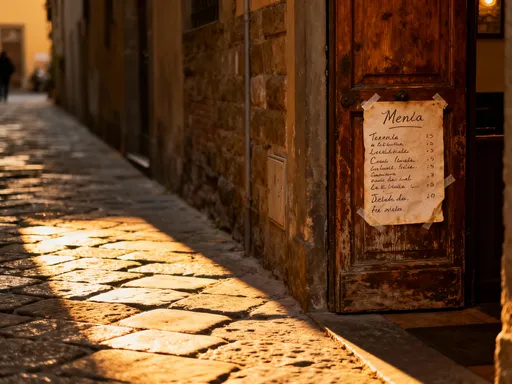
Navigating Florence’s culinary scene requires more than a map—it demands observation. The most authentic restaurants rarely advertise. You won’t find flashy signs, English menus plastered in windows, or staff beckoning tourists from the doorway. Instead, look for subtle cues: a chalkboard with today’s specials written in Italian, a line of workers in work uniforms during lunch, or a small table where an elderly couple shares wine and bread at 11 a.m.
Neighborhoods like Oltrarno and San Frediano, located just across the Arno River from the city center, are goldmines for genuine experiences. These areas are less frequented by tour groups but deeply cherished by locals. Streets here are narrow, cobblestoned, and lined with family-run shops where generations have lived and worked. If you hear laughter from an open kitchen or see a nonna dropping off a dish for the staff, you’ve likely found a keeper.
Public transportation can also guide your journey. Buses that serve residential zones, rather than tourist hubs, often lead to overlooked gems. A simple ride on line 6 or 12 can take you to pockets of the city where dining is about nourishment, not spectacle. Avoid places with laminated multilingual menus, photos of food in the window, or staff speaking aggressively to passersby. These are often signs of high turnover and lower quality.
Instead, trust your instincts. If a place smells like garlic, tomatoes, and wood smoke, if the tables are close together, and if the menu changes daily, you’re on the right track. Authenticity thrives in simplicity. The best meals in Florence often come from places with no online presence—no website, no Instagram, just a loyal following built on flavor and consistency.
Off-the-Beaten-Path Breakfast Bites That Start the Day Right
In Florence, breakfast is not a grand affair. Forget full spreads and cappuccinos to go—locals keep it quick, light, and deeply satisfying. The ritual begins at the bar, where men in work clothes stand shoulder to shoulder, downing an espresso and a cornetto in under five minutes before heading to their shops or offices. This is the rhythm of real life, not performance for visitors.
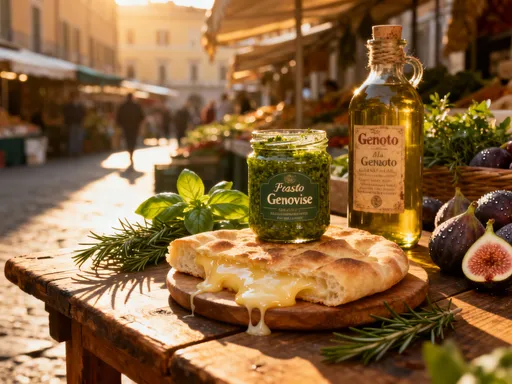
For a truly local start, skip the café tables and join them at the counter. Order a cornetto vuoto—a plain, buttery pastry similar to a croissant but less sweet—and pair it with a caffè lungo, a longer espresso shot. If you’re feeling adventurous, try a slice of schaciata, a flatbread often topped with olive oil, rosemary, and sometimes cured meat or cheese. Sold at small bakeries tucked into residential corners, this humble bread is a staple of morning snacks.
One of the best ways to experience authentic breakfast culture is at a neighborhood market. Mercato di Sant’Ambrogio, less crowded than the more famous San Lorenzo, comes alive in the early hours. Vendors greet each other by name, children stop by for milk, and older women haggle gently over the price of artichokes. Here, you can sample ricotta-filled pastries handed out with a smile, or sip espresso from a tiny cup while watching the city wake up.
What makes this experience special isn’t just the food—it’s the pace. There’s no rush to clear the table or order another round. Locals linger just long enough to reset, then move on. By joining this rhythm, you begin to see Florence not as a destination, but as a living, breathing community. And that shift in perspective is where true travel begins.
Lunch Like a Florentine: The Secret of Trattorias and Tavole Calde
Lunch in Florence is sacred. Between 12:30 and 2:30 p.m., the city slows. Shops close, streets quiet, and families and workers gather for the most important meal of the day. This is when authentic trattorias come alive—small, no-frills spots where the menu is written on a chalkboard and the specials depend on what’s fresh at the market.
One such place, tucked behind a butcher shop in the Santo Spirito district, has been run by the same family for over 60 years. There’s no sign, no website, and no reservations. But by noon, the line forms. Inside, the air is warm with the scent of simmering beans and grilled meat. The owner’s daughter takes orders in rapid Italian, and the nonna often emerges from the kitchen to check on guests. Their ribollita is legendary—layered with day-old bread, cannellini beans, and seasonal greens, reheated slowly until thick and comforting.
Another favorite is a tavola calda near Porta Romana, where office workers and retirees share long tables. Here, you’ll find bistecca alla fiorentina, the iconic T-bone steak from Chianina cattle, grilled over wood and served rare with a sprinkle of salt and a drizzle of olive oil. It’s not cheap, but it’s worth it—a true taste of Tuscan pride. The secret? It’s only served on certain days, when the butcher delivers the right cut.
These meals are not about extravagance. They’re about care, tradition, and seasonality. A simple plate of pappardelle with wild boar ragù tastes richer because the sauce has simmered for hours. A side of sautéed greens comes from the owner’s cousin’s garden. When you eat here, you’re not just feeding yourself—you’re participating in a culture that values time, quality, and connection.
Market Magic: Where Locals Shop and Eat Fresh
If you want to understand how Florentines eat, go to the market. Not the polished, postcard-ready stalls of San Lorenzo, but the working markets where locals do their weekly shopping. Mercato di Sant’Ambrogio is one of the best. Open every morning except Monday, it’s a symphony of voices, colors, and smells. Butchers call out specials, fishmongers ice down the day’s catch, and greengrocers stack tomatoes so red they look painted.
This is where meals are built, not bought. Locals don’t come just to shop—they come to eat. At one stall, a vendor serves paper cones of lampredotto, the fourth stomach of a cow, slow-cooked in broth and topped with salsa verde. It’s not for everyone, but for many Florentines, it’s a cherished tradition. At another, a cheesemonger slices pecorino from a wheel the size of a tire and offers a taste with a spoonful of wildflower honey. These moments of generosity are part of the market’s charm.
Understanding market etiquette enhances the experience. Don’t hover over displays or touch produce without asking. Wait your turn, make eye contact, and greet the vendor with a simple “Buongiorno.” If you’re unsure what to order, ask “Cosa mi consiglia?”—“What do you recommend?” Most vendors are proud of their goods and happy to share. Some even offer free samples, especially if you show genuine interest.
The market is also a place of discovery. You might find zucca (pumpkin) ravioli made that morning, or fresh porcini mushrooms in season. Vendors often sell ready-to-eat dishes—think tripe, roasted potatoes, or warm chickpea flour pancakes. Eating here means embracing imperfection: a wobbly table, plastic chairs, sauce on your fingers. But it also means flavor that’s immediate, honest, and unforgettable.
Sweet Endings: Gelato and Pastries Beyond the Tourist Trail
Gelato in Florence can be glorious—or disappointing. The key is knowing what to look for. Authentic gelato is not neon pink or electric green. Natural ingredients mean muted colors: pistachio is beige-green, strawberry is pale pink, and chocolate is deep but not glossy. Avoid places where gelato is piled high in swirls—it should be stored in lidded metal containers to preserve texture and temperature.
One hidden gem, a small shop near the church of San Frediano, makes gelato in batches no larger than ten liters. The owner, a trained pastry chef, uses milk from a nearby farm and fruit sourced from local growers. His fior di latte—pure milk gelato—is creamy without being heavy, and his seasonal flavors, like fig or chestnut, change with the harvest. Because he makes only what he can sell, the shop often closes by 5 p.m. when supplies run out.
For pastries, skip the crowded bakeries near Piazza della Repubblica. Instead, visit a tiny shop in the Oltrarno where nonnas line up every Sunday for cannoli filled to order. The shell is crisp but not brittle, the ricotta smooth and sweetened just enough. Nearby, another bakery specializes in schiacciata alla fiorentina, a fluffy orange-scented cake dusted with powdered sugar. It’s only made during Carnival season, and when it’s gone, it’s gone.
What ties these places together is integrity. They don’t chase trends or tourists. They make what they love, in the way they’ve always made it. And that commitment shows in every bite. By choosing these spots, you’re not just satisfying a sweet tooth—you’re supporting artisans who keep tradition alive.
Putting It All Together: A Day of Hidden Food Experiences
Imagine a day shaped not by sightseeing, but by flavor. You wake early and walk to a quiet piazza where a small bar serves espresso and warm cornetti. You stand at the counter, just like the locals, and savor the quiet hum of the morning. By 9:30, you’re at Mercato di Sant’Ambrogio, tasting ricotta from a cheesemonger and buying a paper cone of lampredotto for lunch on the go.
At noon, you slip into a family-run trattoria in San Frediano. The daily special is pappardelle with hare ragù, made with meat from a hunter in the hills. The owner brings a small dish of olives to your table—“for the road,” he says with a smile. After lunch, you wander through quiet streets, stopping at a backstreet bakery for a slice of schiacciata to share.
By late afternoon, you’re ready for something sweet. You visit the small gelateria near Santo Spirito, where the pistachio gelato is creamy and earthy, not sugary. You eat it slowly, watching children play in the piazza. As evening approaches, you join locals for an aperitivo—a glass of white wine and a small plate of cured meats and pickles—before deciding whether to return to a favorite spot or try something new.
This rhythm—slow, intentional, rooted in place—transforms travel. You’re not checking boxes or snapping photos. You’re living, tasting, connecting. And in doing so, you discover a Florence that few tourists see: one of warmth, tradition, and quiet joy.
True Florence isn’t found in guidebooks—it’s tasted in quiet moments, shared plates, and family recipes passed down like heirlooms. Choosing authenticity over convenience transforms travel from seeing to feeling. When you seek out the hidden, you don’t just eat like a local—you begin to belong.