Sandy Trails and Soul: Hiking Saint-Louis Like a Local
Have you ever imagined hiking through a city where the Atlantic breeze meets colonial charm? Saint-Louis, Senegal, is more than just a UNESCO site—it’s a living landscape of mangroves, sandbanks, and vibrant culture. I laced up my boots not for mountains, but for a journey through history, nature, and rhythm. What I found was unexpected: quiet dunes, hidden paths, and a city that walks with you. This is not a hike measured in elevation, but in emotion. Every step reveals a new layer—of music drifting from open windows, of fishermen chanting as they pull nets from the river, of children waving from weathered doorways. In Saint-Louis, walking is not just movement—it’s connection.
Why Hiking in Saint-Louis Defies Expectations
Saint-Louis redefines what it means to hike. For many, hiking conjures images of rugged mountain trails, steep ascents, and summit views. But in this coastal West African city, the adventure lies not in climbing, but in wandering. The terrain is flat, shaped by centuries of river currents and ocean tides, yet every path pulses with life. Hiking here is about rhythm—matching your stride to the slow roll of waves against the shore, the creak of fishing boats, or the beat of sabar drums echoing through alleyways. It’s about immersion in a place where history, ecology, and daily life unfold at ground level.
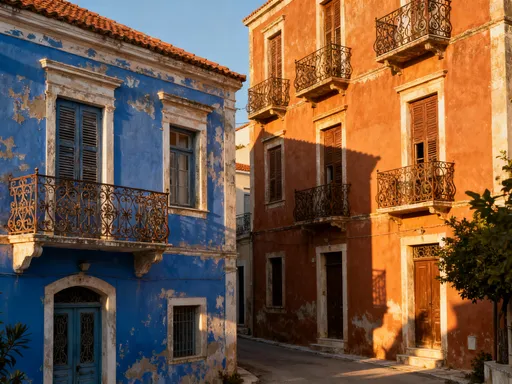
Walking through Saint-Louis is like stepping into a living museum. Founded in 1659, it was once the capital of French West Africa, and its colonial past remains visible in the architecture—pastel-colored homes with wrought-iron balconies, shuttered windows, and tiled roofs. Yet this is no static relic. The city breathes. Children chase soccer balls down narrow streets, women in bright boubous carry baskets on their heads, and elders sip sweet mint tea in shaded courtyards. The trail here isn’t marked by blazes on trees, but by the scent of grilled fish, the hum of conversation, and the occasional donkey cart clogging a cobblestone lane.
What makes Saint-Louis exceptional for hiking is its scale. The island core is compact—just over two kilometers long and half a kilometer wide—making it perfectly walkable. There are no cable cars or shuttles needed; the entire city unfolds beneath your feet. Whether you're crossing the iconic Faidherbe Bridge at sunrise, tracing the edge of the Langue de Barbarie sandbar, or meandering through backstreets where laundry flaps between buildings, you’re never far from discovery. This is hiking as exploration, not exertion—a chance to slow down and absorb the details most travelers miss.
The city’s unique geography further enhances the hiking experience. Wedged between the Senegal River and the Atlantic Ocean, Saint-Louis exists in constant dialogue with water. Tides influence daily life, and walking routes often follow the ebb and flow. You might begin your morning on a dry sand path only to find it submerged by afternoon. This fluidity adds an element of spontaneity, reminding hikers to be present and adaptable. In a world that often prioritizes speed and efficiency, Saint-Louis invites a different pace—one where the journey matters more than the destination.
The Heartbeat of the Island: Walking the Historic Core
The soul of Saint-Louis beats strongest on its island center, a UNESCO World Heritage site since 2000. This slender strip of land, accessible only by bridge or ferry, is best explored on foot. There are no grand plazas or sweeping boulevards—just a network of intimate streets that unfold like the pages of a well-worn novel. Each corner turns reveals another chapter: a colonial-era pharmacy with hand-labeled bottles, a crumbling mansion draped in bougainvillea, or a street vendor frying beignets in a cast-iron pot.
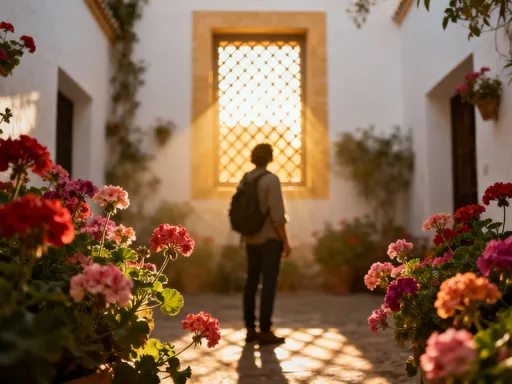
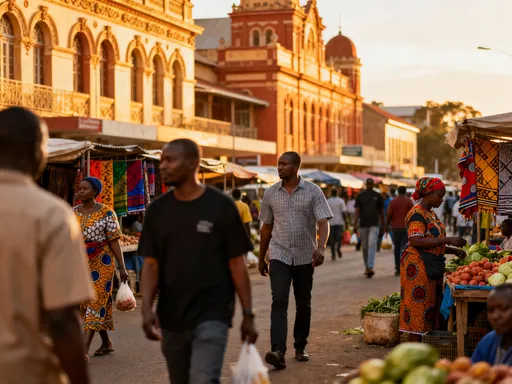
A recommended starting point is Place de l’Indépendance, a modest square that hums with morning activity. By 7 a.m., women in colorful wrappers sell fresh mangoes and papayas from wooden crates, while men gather at roadside cafés, sipping strong espresso from tiny glasses. From here, Rue Lebon runs eastward like a spine through the city. This bustling artery is lined with shops, tailors, and repair stalls, but it’s the side alleys that hold the real treasures. Turn onto Rue Eugène Dabit, and you’ll find quieter lanes where shuttered homes open into lush interior courtyards—hidden oases of banana trees and ceramic fountains.
One of the most rewarding walks begins at the southern tip of the island and follows the riverfront northward. The path hugs the Senegal River, offering unobstructed views of fishing canoes gliding across the water. At intervals, wooden staircases lead down to floating docks where men repair nets or mend pirogues, their hands moving with practiced ease. Along the way, you’ll pass the old colonial prison, now repurposed as an art center, and the Lycée Faidherbe, a prestigious school founded in 1854. Though not open to the public, its arched gateways and shaded courtyard speak to the city’s long tradition of education and intellectual life.
The Faidherbe Bridge, completed in 1897, is both a landmark and a gateway. Spanning 532 meters, it connects the island to the mainland and offers one of the best vantage points in the city. Walking across it at sunrise is a ritual for many locals—and one worth adopting. The air is cool, the river glimmers under a soft golden light, and the city awakens slowly. To the west, the Atlantic crashes against the Langue de Barbarie; to the east, fishing boats dot the river like scattered matchsticks. The bridge itself is a marvel of ironwork, its lattice structure casting intricate shadows on the water below. It’s not just a passage—it’s a pause, a moment to breathe and take it all in.
Timing enhances the experience. Midday heat can be intense, so early mornings or late afternoons are ideal for walking. Sundays are particularly vibrant, as families gather in parks, musicians play in the squares, and the scent of grilled fish fills the air. The city’s walkability encourages aimless strolling, but even the most casual wanderer benefits from a loose route. A loop from Place de l’Indépendance, up Rue Lebon, across the Faidherbe Bridge, and back along the riverfront covers the essentials while leaving room for surprise. This is not a city to rush through, but to savor—one step, one sound, one scent at a time.
Langue de Barbarie: A Fragile Strip with Big Views
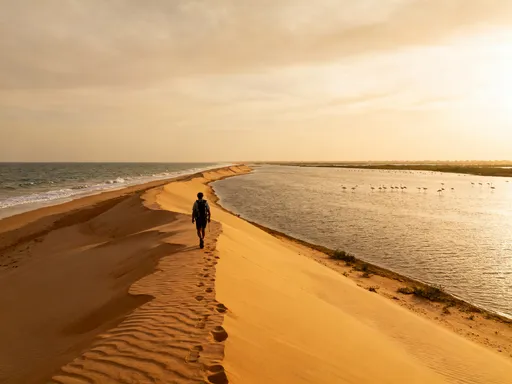
Stretching like a slender finger between the Atlantic Ocean and the Senegal River, the Langue de Barbarie is one of West Africa’s most unique natural corridors. This 25-kilometer sandbar, formed by centuries of sediment deposition, is not a traditional hiking trail—but it offers some of the most compelling walking experiences in the region. The southern end, within the Langue de Barbarie National Park, features a network of unpaved paths that wind through dunes, coastal scrub, and seasonal wetlands. Here, the ground is soft, the wind constant, and the horizon wide open.
Birdwatchers will find this area especially rewarding. The park is a critical stopover for migratory birds, including greater flamingos, African spoonbills, and western reef herons. Early morning walks often reveal flocks of pink flamingos standing in shallow lagoons, their reflections shimmering in the still water. Pelicans glide low over the waves, while ospreys dive for fish near the river mouth. The park’s biodiversity is remarkable, but fragile—subject to erosion, rising sea levels, and human activity. As a hiker, your presence should be light, respectful, and mindful of the ecosystem.
Access to the park is easiest from the town of Sangomar, near the southern tip. A small entrance fee supports conservation efforts, and local guides are available to lead walks. They know the safest routes, the best birding spots, and the history of the area. In 2003, a man-made breach was created to relieve pressure from seasonal flooding, but it led to accelerated erosion and the eventual separation of the tip from the mainland. Today, the landscape continues to shift, reminding visitors of nature’s power and unpredictability.
Hiking here requires preparation. The sun is relentless, and shade is scarce. A wide-brimmed hat, sunscreen, and at least two liters of water per person are essential. Lightweight, breathable clothing helps manage the heat, while sturdy sandals or trail shoes protect feet from hot sand and sharp vegetation. There are no marked trails or signage, so navigation relies on observation and local knowledge. Staying on established paths minimizes damage to dune vegetation, which plays a crucial role in stabilizing the sand.
The northern section of the Langue de Barbarie is less accessible and more vulnerable. In recent years, periodic flooding has submerged large stretches, making foot travel impossible during certain seasons. Climate change has intensified these challenges, with rising sea levels threatening both wildlife and nearby communities. Yet even in its altered state, the sandbar retains a raw, untamed beauty. Walking its length—where the roar of the ocean meets the quiet flow of the river—feels like moving between two worlds. It’s a reminder that some of the most powerful landscapes are not preserved behind glass, but lived in, shaped by time and tide.
Beyond the Island: Nature Trails at the Mouth of the Senegal River
Just north of Saint-Louis, where the Senegal River fans out into a maze of channels and islands, lies a quieter, less-visited hiking landscape. This delta region is a patchwork of muddy banks, mangrove forests, and fishing villages accessible only by boat or foot during low tide. Guided walks here are not for thrill-seekers, but for those who value authenticity and ecological awareness. Local ecotourism cooperatives lead small groups along raised paths through restored mangrove areas, explaining conservation efforts and traditional livelihoods.
Mangroves are the unsung heroes of coastal ecosystems. Their tangled roots stabilize shorelines, filter pollutants, and provide nursery grounds for fish and crustaceans. In Saint-Louis, decades of overharvesting and urban expansion led to significant loss, but community-led replanting initiatives have begun to reverse the damage. Walking through these recovering forests, you’ll see young mangrove saplings protected by bamboo stakes, their leaves shimmering in the breeze. Guides point out crabs scuttling across the mud, mudskippers balancing on roots, and kingfishers darting between branches.
The best time to hike these trails is during low tide, when the mudflats harden enough to support foot traffic. Paths are often simple wooden boardwalks or compacted earth raised above the waterline. They wind through narrow channels where pirogues once navigated freely. Some routes lead to observation platforms overlooking tidal pools teeming with life. Others pass through fishing encampments, where families live in temporary shelters during peak seasons. These are not staged exhibits, but real communities whose lives depend on the health of the wetlands.
While kayaking is a popular way to explore the delta, walking offers a different perspective. On foot, you move slowly, noticing details: the pattern of bird tracks in the mud, the way sunlight filters through mangrove canopies, the sound of wind through reeds. You’re more likely to encounter locals—fishermen checking traps, women gathering shellfish, children playing near the water’s edge. These moments of connection are the heart of the experience. Unlike mass tourism, which often keeps visitors at a distance, eco-hiking in the delta fosters intimacy and understanding.
Access to these trails typically begins with a boat ride from Saint-Louis, arranged through local tour operators or community guides. Trips last half a day to a full day, depending on the route. There are no entrance fees, but contributions to the cooperative are encouraged. This model ensures that tourism benefits the people who steward the land. It also promotes sustainability—by keeping group sizes small and activities low-impact, the ecosystem remains protected while local knowledge is preserved and shared.
Practical Tips for Hikers: Timing, Gear, and Safety
Hiking in Saint-Louis is rewarding, but it demands thoughtful preparation. The climate is tropical, with a long dry season from November to June and a shorter rainy season from July to October. Temperatures peak between March and June, often exceeding 35°C (95°F), making early morning the best time for walking. Starting hikes by 6:30 or 7 a.m. allows you to cover ground before the heat becomes oppressive. Late afternoon walks are also pleasant, especially near the river or ocean, where breezes offer relief.
Proper gear is essential. Lightweight, loose-fitting clothing made of natural fibers like cotton or linen helps regulate body temperature. A wide-brimmed hat and UV-protective sunglasses shield against strong sun. Sunscreen with high SPF should be applied regularly, especially on exposed areas like the neck, arms, and face. Hydration is critical—carry at least two liters of water per person, and consider adding electrolyte tablets, especially on longer walks. Reusable water bottles are recommended, as single-use plastics contribute to pollution in sensitive areas.
Footwear should be versatile. Cobblestone streets, sandy paths, and muddy trails require shoes that can handle varied terrain. Closed-toe trail sandals with good grip, such as those with Vibram soles, are ideal. They protect feet from hot surfaces and sharp objects while allowing ventilation. If hiking in the mangroves or after rain, quick-drying shoes or water-resistant boots are preferable. Avoid heavy hiking boots—they’re unnecessary and can overheat in the climate.
Navigation in Saint-Louis relies more on observation than digital tools. Many paths, especially in rural or natural areas, are not mapped on GPS services. Carrying a simple paper map or sketch from a local guide is helpful. More important is the practice of asking directions. Locals are generally friendly and willing to point the way, especially if greeted with a polite “Salaam alekum” or “Nanga def?” (How are you? in Wolof). Learning a few basic phrases fosters goodwill and enriches the experience.
Safety considerations include avoiding flooded areas, especially during and after rains. Flash floods can occur in low-lying zones like the Langue de Barbarie. Respect private property—many homes lack fences, but that doesn’t mean they’re open to visitors. Always ask permission before entering enclosed spaces. In fishing villages, be mindful of active work areas; avoid stepping on nets or disturbing equipment. Finally, be aware of cultural norms: dress modestly, especially in residential neighborhoods, and avoid public displays of affection, which are not customary.
Local Encounters: How Walking Opens Doors
One of the most profound rewards of hiking in Saint-Louis is the ease of human connection. When you move slowly, on foot, you become visible, approachable, and present. You’re not sealed inside a vehicle or rushing from site to site. You’re walking at the pace of daily life, and that invites interaction. A smile, a greeting, a shared moment of curiosity—these small gestures open doors that tour buses never reach.
In Guet Ndar, the city’s historic fishing quarter, walking through narrow alleys often leads to spontaneous invitations. A woman boiling cassava in a clay pot might gesture for you to sit. A fisherman mending his net may pause to explain the different types of catch. Children run alongside, giggling, asking for photos. These are not performances for tourists—they are slices of real life, shared generously. Sitting on a low stool, sipping bissap tea made from hibiscus flowers, you begin to understand the rhythm of the neighborhood: the early morning boat departures, the midday repair work, the evening market rush.
Walking also allows you to witness traditions in motion. In the early hours, you might see women performing ritual ablutions before prayer, or elders gathering under a baobab tree to discuss community matters. During festivals, streets fill with drumming and dancing, and pedestrians become part of the celebration. These moments are not scheduled or ticketed—they unfold naturally, and only those on foot are likely to see them.
Language plays a role in deepening these encounters. While French is widely spoken, Wolof is the language of daily life. Knowing a few phrases—“Nanga def?” (How are you?), “Dama” (Thank you), “Tombi leen?” (Where are you going?)—shows respect and encourages conversation. Locals appreciate the effort, even if your pronunciation is imperfect. These exchanges, brief as they may be, create a sense of belonging, however temporary.
The power of walking lies in its humility. It places you at eye level with the world. You notice the texture of a weathered door, the pattern of a woven mat, the way sunlight hits a tin roof. You hear conversations drifting from open windows, smell bread baking in a clay oven, feel the shift in air as you pass from shade to sun. These sensory details accumulate, forming a deeper understanding of place. In Saint-Louis, where history and culture are lived rather than displayed, walking is the most authentic way to engage.
Why This Journey Stays With You
Hiking Saint-Louis is not about conquering terrain. There are no peaks to summit, no medals to earn. Instead, it’s about tuning into a place—its rhythms, its silences, its stories. It’s about walking across a bridge as the call to prayer echoes over the water, or standing on a sandbar where the ocean meets the river, feeling the wind carry centuries of history. This journey stays with you because it changes how you see adventure.
In a world obsessed with peak bagging and bucket lists, Saint-Louis offers a quiet alternative. It reminds us that meaning can be found in flatlands, in alleys, in moments of stillness. The city does not shout; it whispers. It asks you to slow down, to listen, to notice. And in doing so, it reveals its depth—not in elevation, but in emotion.
The memories that linger are not the grandest sights, but the smallest details: the taste of warm bread from a neighborhood oven, the sound of children chanting as they jump rope, the way an elder smiled as he watched you struggle with a Wolof greeting. These are the imprints of presence—the kind that only slow travel can leave.
Saint-Louis teaches that hiking is not just a physical act, but a way of being. It’s a practice of attention, of openness, of respect. Whether you’re tracing the edge of a fragile sandbar or wandering through a colonial courtyard, you are not just passing through—you are participating. You are part of the rhythm.
So lace up your shoes, start walking, and let the city guide you. Let the tides shape your path, the people shape your perspective, and the silence shape your soul. In Saint-Louis, every step is a story. And every story is waiting to be lived.