You Won’t Believe These Udaipur Viewpoints Are Real
Udaipur isn’t just a city—it’s a dream painted in white marble and mirrored lakes. From hilltop terraces to hidden rooftops, every corner frames a postcard. I’ve never seen light dance like this—golden sunsets melting over palaces, boats gliding like whispers across Lake Pichola. These aren’t just views; they’re moments that stop your scroll and steal your breath. If you're chasing *that* perfect shot—the one that feels too stunning to be real—Udaipur’s secret viewpoints are waiting.
The Magic of Udaipur’s Landscape
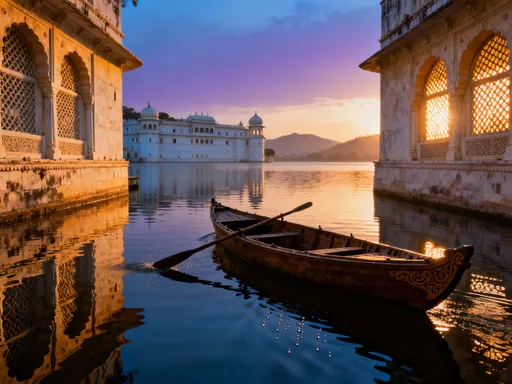
Udaipur, often called the Venice of the East, rests like a jewel in the Aravalli Hills of Rajasthan. Its beauty is no accident of chance but a harmony of geography, architecture, and light. The city is cradled by seven lakes, with Lake Pichola at its heart, reflecting the palaces, temples, and havelis that line its shores. This interplay of water and stone creates natural mirrors, doubling the visual splendor and offering ever-changing views throughout the day.
What makes Udaipur truly exceptional is how its topography enhances visibility. Nestled between low mountain ridges, the city unfolds in layers—each elevation revealing a new panorama. The white marble of its buildings, particularly the City Palace complex, glows under the Indian sun, shifting from soft pearl in the morning to molten gold at dusk. This transformation is not just poetic; it’s photographic alchemy.
Golden hour in Udaipur is a phenomenon unto itself. As the sun dips behind the hills, the sky ignites in shades of amber and rose, casting a warm halo across the lake. The reflections stretch like liquid fire, turning every boat into a silhouette and every window into a lantern. Photographers and dreamers alike find themselves pausing, not because they’re waiting for the perfect light—but because they’ve already found it. The city’s layout ensures that even casual wanderers stumble upon breathtaking scenes, but those who seek higher ground are rewarded with views that feel almost unreal.
Jag Mandir Palace Gardens – A Lakeside Escape with the Best Backdrop
One of Udaipur’s most serene vantage points lies not on land, but in the middle of Lake Pichola. Jag Mandir Palace, often overshadowed by the more famous Lake Palace, is an island retreat of elegance and calm. Originally built as a royal refuge, it now welcomes visitors seeking both history and beauty. The palace gardens offer unobstructed views of the City Palace’s grand façade, framed perfectly by the gentle ripples of the lake.
What sets Jag Mandir apart is its tranquility. Unlike the crowded ghats and bustling ghats of the mainland, the island feels suspended in time. The terraced lawns slope gently toward the water, providing natural seating and ideal angles for photography. Whether you're capturing the morning mist rising off the lake or the evening glow on marble domes, the composition is effortlessly balanced. There are no power lines, no modern intrusions—just water, sky, and architecture in perfect dialogue.
Reaching Jag Mandir requires a short ferry ride from the City Palace ghat. Boats depart regularly from 10 a.m. to 6 p.m., and the journey itself is part of the experience. As you glide across the lake, the city unfolds around you, offering dynamic perspectives with every stroke of the oar. The ride takes about ten minutes and costs a nominal fee, making it accessible to all travelers.
For the best photos, arrive early in the morning when the light is soft and the crowds are thin. Wear light, breathable clothing in neutral tones to blend with the scenery, and bring a wide-angle lens to capture the full sweep of the lake and skyline. Comfortable footwear is essential, as the island has stone pathways and slight inclines. Remember to respect the site’s heritage—avoid loud noises, and never touch or climb on the historic structures. This is not just a photo op; it’s a piece of living history.
Sajjangarh Fort (Monsoon Palace) – Where the Sky Meets the City
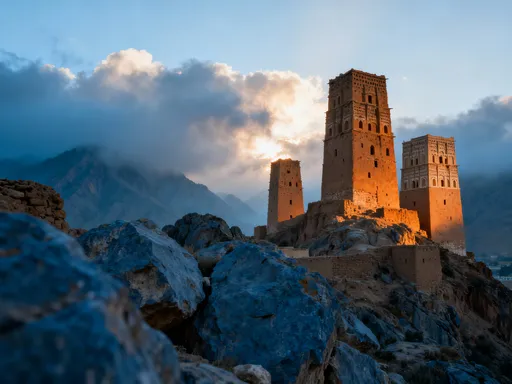
Rising 300 feet above the city on Bansdara Hill, Sajjangarh Fort—commonly known as the Monsoon Palace—offers one of the most dramatic panoramic views in Rajasthan. Built in the late 19th century as a monsoon retreat and observatory, it now serves as a silent sentinel overlooking Udaipur’s shimmering expanse. From this vantage, the city spreads out like a tapestry—lakes glittering, palaces glowing, and rooftops tumbling down the hillsides in orderly chaos.
Sunset at Sajjangarh is nothing short of cinematic. As the sun sinks behind the western ridges, the entire valley is bathed in golden light. The domes of the City Palace catch fire, the water turns to liquid gold, and the surrounding hills deepen into indigo. Photographers line the ramparts, but the space is large enough that you won’t feel crowded. Unlike many tourist hotspots, this site retains a sense of solitude, making it ideal for contemplative moments or intimate family photos.
Reaching the fort requires a short uphill drive, but the road is well-paved and accessible by taxi or private car. Public transport is limited, so it’s best to arrange a return ride in advance, especially after sunset when the area becomes quiet. The entry fee is modest, and the site closes at 7 p.m., so timing is crucial. Aim to arrive at least 90 minutes before sunset to allow time for exploration and to secure your spot along the western terrace.
For photography, a telephoto lens can isolate specific landmarks like Jag Mandir or the Lake Palace, while a wide-angle captures the full sweep of the cityscape. A tripod is helpful during twilight shots, though it must be used discreetly to avoid obstructing others. The air at this elevation is cooler and clearer, enhancing visibility. On clear days, you can see as far as Fateh Sagar Lake to the north. The fort’s own architecture—its arched corridors and stone jharokhas—also provides excellent foreground elements for layered compositions.
Tribhuvan Art Gallery Rooftop – Culture with a View
Hidden within the City Palace complex, the Maharana of Mewar Cultural Centre—home to the Tribhuvan Art Gallery—offers one of Udaipur’s most underrated viewpoints. While most visitors focus on the palace interiors, few make their way to the rooftop, where a quiet terrace overlooks Lake Pichola and the distant hills. This is not a grand panorama, but an intimate one—perfect for those who appreciate culture as much as scenery.
The rooftop provides a rare blend of art and atmosphere. Below, the gallery houses centuries of royal collections—miniature paintings, ceremonial weapons, and personal artifacts of the Mewar dynasty. Above, the open sky frames the same landscapes those kings once gazed upon. Standing here, you’re not just viewing the city; you’re connecting with its legacy. The sightlines include the Lake Palace, Jag Mandir, and the stepped ghats where locals still gather at dawn and dusk.
The gallery is open daily from 9:30 a.m. to 5:30 p.m., and the rooftop is accessible during visiting hours. Entry is included in the City Palace ticket, making it a valuable addition to any itinerary. Because it’s less frequented, the space remains peaceful, ideal for quiet reflection or candid photography. Families often pause here for a moment of rest, letting children sketch the view or simply absorb the stillness.
When visiting, remember that this is a cultural institution. Dress modestly, speak softly, and avoid using flash photography inside the galleries. On the rooftop, be mindful of railings and safety, especially with young children. This is not a commercial terrace with seating and menus, but a space of dignity and history. The lack of modern amenities is part of its charm—what you gain is authenticity. Bring a notebook or small camera, and let the view inspire more than just a photo—let it spark a story.
Ambrai Restaurant Terrace – Iconic Nights and Golden Hours
If there’s one place that defines Udaipur’s romantic reputation, it’s the terrace of Ambrai Restaurant. Perched on the banks of Lake Pichola, just steps from the City Palace, it offers a front-row seat to one of India’s most iconic cityscapes. At night, the illuminated palaces float like palaces from a fairy tale, their reflections shimmering on the dark water. During golden hour, the entire scene glows in warm, buttery light—perfect for portraits, couple photos, or solo travelers capturing the magic of the moment.
The restaurant’s open-air seating is arranged in tiers, ensuring nearly every table has an unobstructed view. The lower level, closest to the water, offers the most immersive experience—waves lapping gently beneath you, the scent of jasmine in the air, and the palace rising like a dream across the lake. It’s no wonder this spot consistently ranks among the most photographed in India.
Securing a good seat requires planning. The restaurant is popular, especially at sunset, so reservations are strongly recommended. You can book online or call ahead, specifying a lakeside table. While dining here is a splurge compared to local eateries, the experience justifies the cost. Menus feature Rajasthani specialties like dal baati churma, laal maas, and ghevar, alongside continental options. Prices range from $15 to $40 per person, depending on choices and drinks.
For photographers, the best light occurs 30 minutes before and after sunset. This is when the sky shifts through soft pinks and oranges, and the palace lights begin to glow. Use a polarizing filter to reduce glare on the water, and consider a small reflector to soften facial shadows if shooting portraits. The reflection on the lake is strongest when the water is calm, so avoid windy evenings. While the ambiance is luxurious, the staff are welcoming to all—families, solo guests, and elderly travelers alike. It’s a place where generations can share a meal and a memory.
Fateh Sagar Lake viewpoints – Beyond the Main Pier
While Lake Pichola draws the crowds, Fateh Sagar Lake offers a quieter, more expansive experience. Located just north of the city center, this artificial lake spans over four kilometers and is surrounded by wooded hills. Unlike the tightly framed views of the old city, Fateh Sagar opens up—offering wide-angle vistas, peaceful walks, and a different perspective on Udaipur’s natural beauty.
The main pier is popular, but the real gems lie beyond. A scenic road loops around the lake, with several pull-offs perfect for photography. One of the best is near the Nehru Garden island, accessible by a short boat ride. From here, you can capture the entire lake with the Char Bhujia Temple at its center, framed by distant hills. The symmetry of the temple, the water, and the sky creates a balanced, meditative composition.
Walking paths along the western shore provide elevated views, especially in the late afternoon when the sun skims the treetops. The air is cooler here, scented with eucalyptus and dust, and the sounds of the city fade into birdsong. Local families picnic on the grass, children fly kites, and cyclists glide along the paved trail. It’s a slice of everyday Udaipur life—unstaged, unhurried, and deeply authentic.
Boating options include paddle boats, rowboats, and small motorboats, with rides lasting 20 to 30 minutes. These are ideal for capturing reflections and mid-lake perspectives. For a layered photo, combine the foreground of a boat with the temple island and the hills beyond. Early morning is the best time for soft light and minimal crowds. If you’re traveling with elderly parents or young children, the area is stroller-friendly and has clean restrooms near the main entrance. There’s also a small café serving tea, snacks, and fresh coconut water—perfect for a mid-walk refreshment.
Hidden Rooftops in the Old City – Finding Your Own Frame
Sometimes the most unforgettable views come not from guidebooks, but from chance encounters. In Udaipur’s old city, where narrow lanes twist like ribbons between havelis and temples, hidden rooftops await those willing to look up. Many family-run guesthouses, boutique hotels, and small cafes have terraces that double as private viewpoints. These spaces are rarely advertised, but a polite inquiry can open doors—literally.
Guesthouse owners, especially those catering to international travelers, often welcome guests to use their rooftops for quiet time or photography. Some even offer chai or coffee at sunrise. These moments—sipping tea as the city wakes, the first light touching the temple spires—are among the most personal and powerful a traveler can experience. Unlike commercial terraces, these spaces are free from crowds, menus, and time limits. You’re a guest, not a customer.
Local cafes tucked into old buildings also offer surprising vistas. Climb the stairs of a small eatery in Gangaur Ghat or Hathi Pol, and you might find a simple rooftop with plastic chairs and a 180-degree view of the lake. These spots are favored by artists and writers, and they exude a creative, unhurried energy. A cup of masala chai costs less than a dollar, and the view is priceless.
When exploring, always ask permission before entering private spaces. A smile, a respectful tone, and a willingness to support the business go a long way. Never assume a rooftop is public just because it’s accessible. Safety is also important—many old structures have low railings or uneven surfaces. Keep children close, avoid risky poses, and never climb on fragile architecture. The goal isn’t the most daring photo, but the most meaningful one. These hidden viewpoints remind us that travel is not just about seeing, but about connecting—with places, people, and the quiet beauty of being present.
Conclusion: Chasing Light, Not Just Likes
Udaipur’s beauty is not just in its palaces or lakes, but in the way light touches them—how dawn paints the marble in blush, how twilight turns the water to fire, how a single moment can feel eternal. The viewpoints shared here are not just locations, but invitations—to slow down, to look deeper, to see beyond the lens. In an age where travel is often measured in likes and followers, Udaipur asks for something more: presence.
The most powerful photos are not those with perfect exposure or composition, but those taken when the heart is open. Whether you’re standing atop Sajjangarh Fort or sipping chai on a hidden rooftop, the city offers more than scenery—it offers stillness. It invites you to witness not just a place, but a feeling. And in that feeling, you find the true magic of travel: connection.
So when you visit Udaipur, don’t just chase the perfect shot. Chase the quiet moment, the shared smile, the golden light on your child’s face. Let the city remind you that beauty is not something to capture, but to carry within. Because the views that stay with you the longest are not the ones you post—they’re the ones that change you.